-
Artificial Banana Tree Bunch of three - 4, 5, 6, 7, 8, and 9 Feet
Regular price From Rs.15,000.00 PKRRegular price -
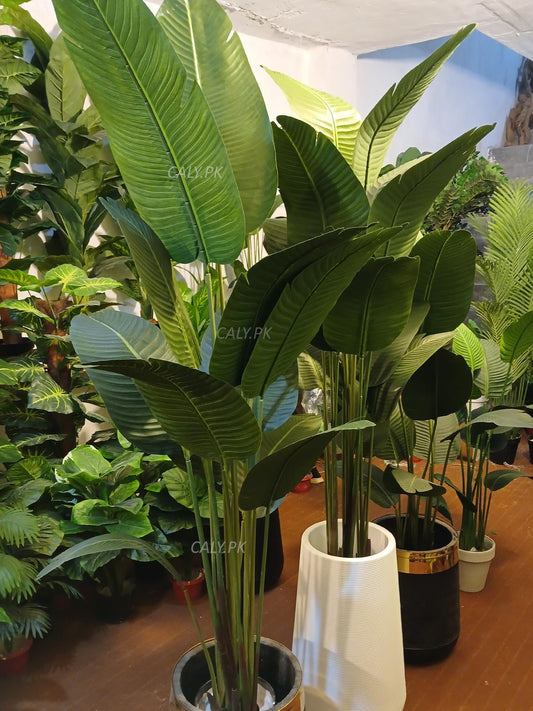
Artificial Banana Leaves Plant - 4, 5, 6, 7 and 8 Feet
Regular price From Rs.7,000.00 PKRRegular priceRs.6,500.00 PKRSale price From Rs.7,000.00 PKR -
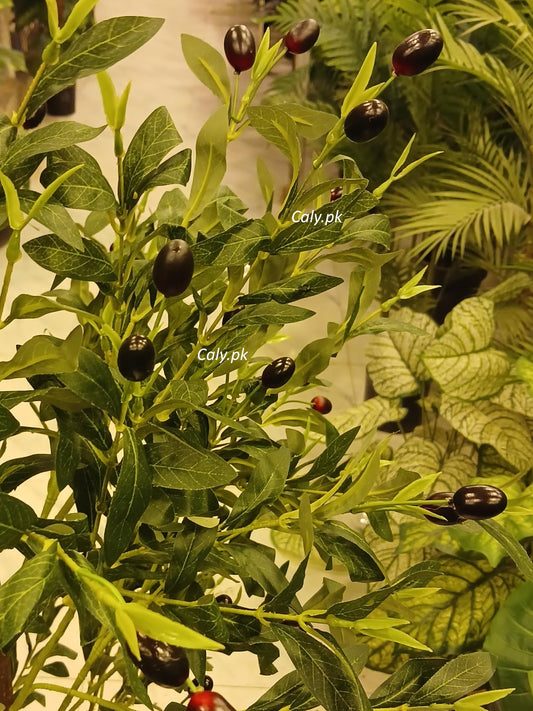
Artificial Olive Tree - Large Plant with Realistic Fruits
Regular price Rs.9,900.00 PKRRegular price -
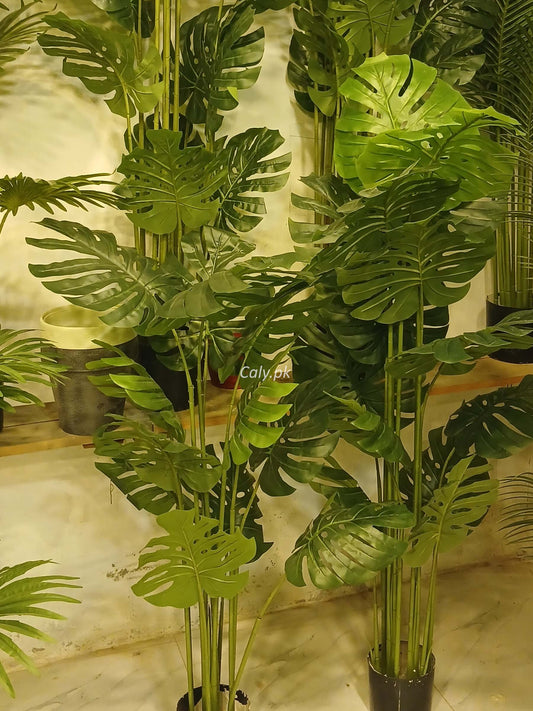
Artificial Monstera Larg Plant Sticks
Regular price Rs.8,000.00 PKRRegular price -
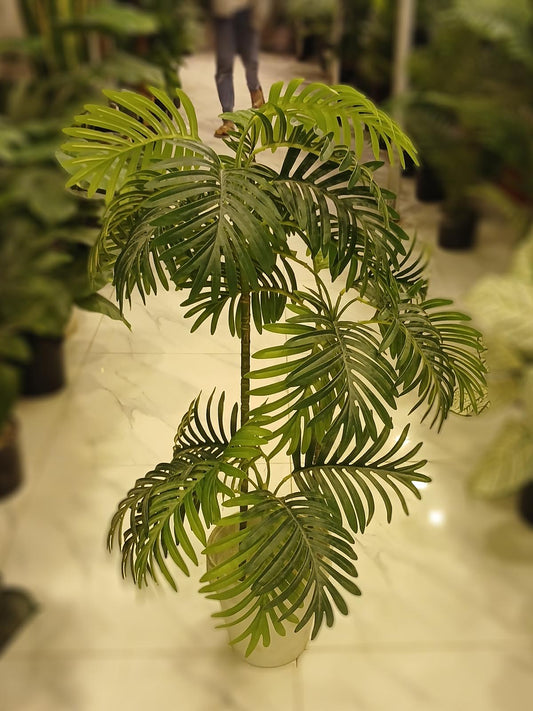
Bamboo Palm Slim Stick - Cane Palm - 3, 4 and 5 Sticks with Black Pot
Regular price From Rs.8,000.00 PKRRegular price -
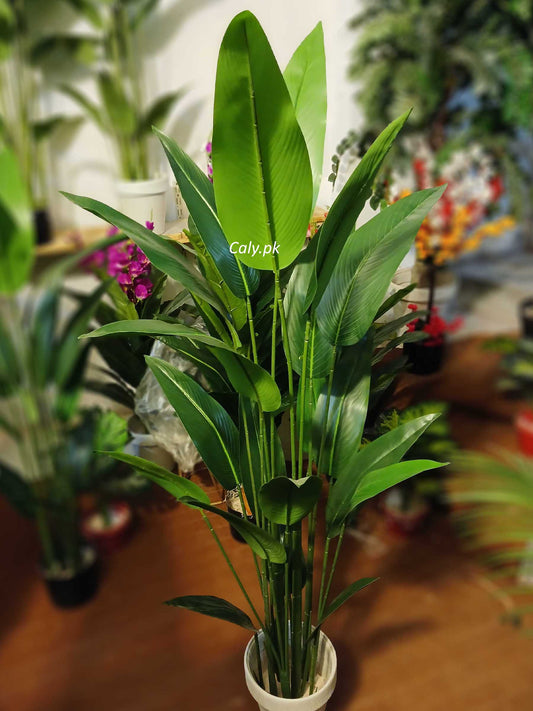
Bird of Paradise - Banan Leaves Plant 5.5ft, 6.5ft
Regular price From Rs.18,000.00 PKRRegular price -
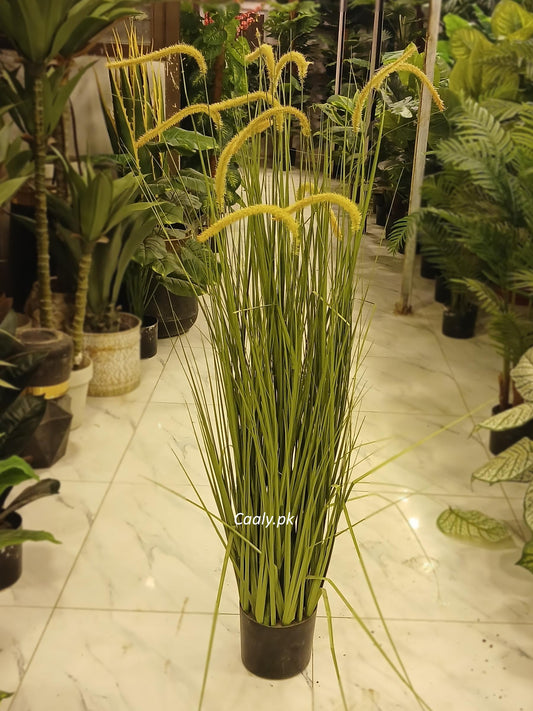
Artificial Foxtail Grass Plant
Regular price Rs.10,000.00 PKRRegular price -
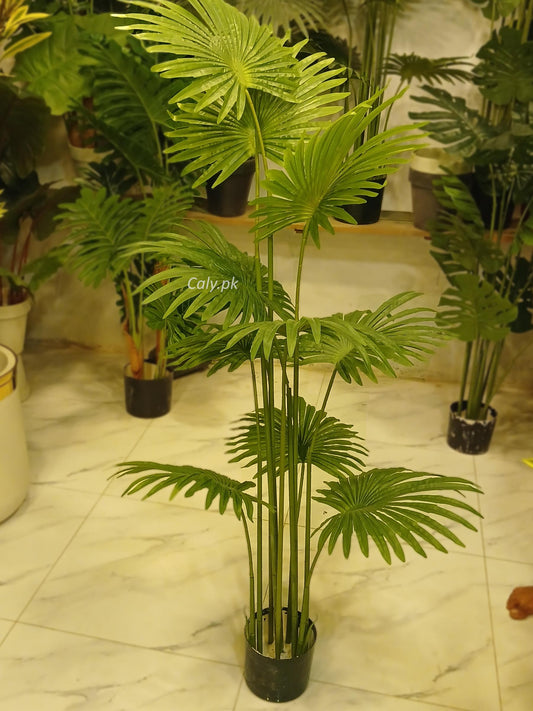
Artificial Fan Palm Tree - 5 and 6 Feet
Regular price From Rs.13,000.00 PKRRegular price








Why Choose Floor Plants?
Most decorating challenges aren't really about furniture. They're about balance.
A room can have the right sofa, the right lighting, and the right layout, yet still feel unfinished. Often, what's missing isn't another piece of furniture at all. It's something that softens the space and fills the visual gap between the floor and the ceiling.
That's where a floor plant usually earns its place.
Greenery at Room Scale
A tabletop plant works up close. A floor plant works from across the room.
The moment someone enters a living room, office, showroom, restaurant, or reception area, larger plants shape their first impression of the space. They add height, create visual balance, and help empty corners feel intentional rather than forgotten — which is why floor plants tend to end up in the spots people notice first.
The Empty Corner Problem
Many customers arrive at a floor plant after trying everything else. Artwork feels too flat. Another chair feels unnecessary. A side table doesn't solve it. The corner still feels empty.
A floor plant works differently because it adds both height and texture while keeping the room open. It occupies space without making the room feel more crowded, which is one reason it remains one of the easiest ways to make a room feel complete.
Homes and Businesses Use Them Differently
In homes, floor plants tend to show up beside sofas, entrances, staircases, dining areas, and large windows — anywhere a room needs a little more life.
Businesses use them more deliberately. They're particularly common in spaces where natural light is limited or maintaining live plants consistently would be difficult. Reception areas, hotel lobbies, restaurants, clinics, offices, and showrooms often rely on larger plants to soften commercial interiors and make them feel more welcoming.
The goal shifts from space to space, but the role stays much the same: helping a room feel more inviting.
Realistic Plants Matter More Than Large Plants
Bigger isn't automatically better. A poorly made six-foot plant will usually look less convincing than a well-made four-foot one.
The details are what matter — natural leaf shapes, realistic colour variation, balanced proportions, and a form that feels believable in the room. Realism, more than size, is usually what convinces people there's a plant in the room rather than just a decoration.
Matching the Planter to the Plant
With a floor plant, the planter isn't just a finishing touch — it's doing real structural work. A tall plant with a wide canopy needs a base substantial enough to look proportional and stay stable, especially somewhere it's likely to get bumped or brushed past, like a hallway or a busy reception area.
As a rough guide, the planter's width should feel like roughly a third to a half of the plant's overall spread. Narrower, and the arrangement looks top-heavy. Wider, and the planter starts competing with the plant instead of supporting it. Beyond proportion, the finish still shapes the mood the way it does anywhere else — stainless steel for a cleaner, office-ready look, fiberglass for something more relaxed and residential, antique for texture and character in a home or café setting.
Choosing the Right Height
Most people worry about picking a floor plant that's too big. More often, the opposite happens.
A plant that reads as generously sized on a screen can look surprisingly modest once it's standing beside a sofa, a doorway, or a reception desk. As a starting point, a standard room with 9–10 foot ceilings usually suits something in the 4–6 foot range without crowding the space. A double-height lobby or a large open-plan office often needs something closer to 6–7 feet before it stops looking like an afterthought.
The safest check is still the oldest one — stand in the actual spot and picture the plant against the nearest doorway or piece of furniture. If it looks a little too tall in that moment, it's usually about right once it's actually there.
Who Buys Artificial Floor Plants?
Homeowners use them to bring life into living rooms, entrances, dining spaces, hallways, and staircases. Interior designers use them to add height, soften hard surfaces, and balance larger interiors. Businesses place them in reception areas, offices, hotels, restaurants, clinics, showrooms, and commercial spaces where greenery improves the environment without creating any ongoing maintenance.
The reason varies, but the outcome is usually the same: a room that feels more complete than it did before.